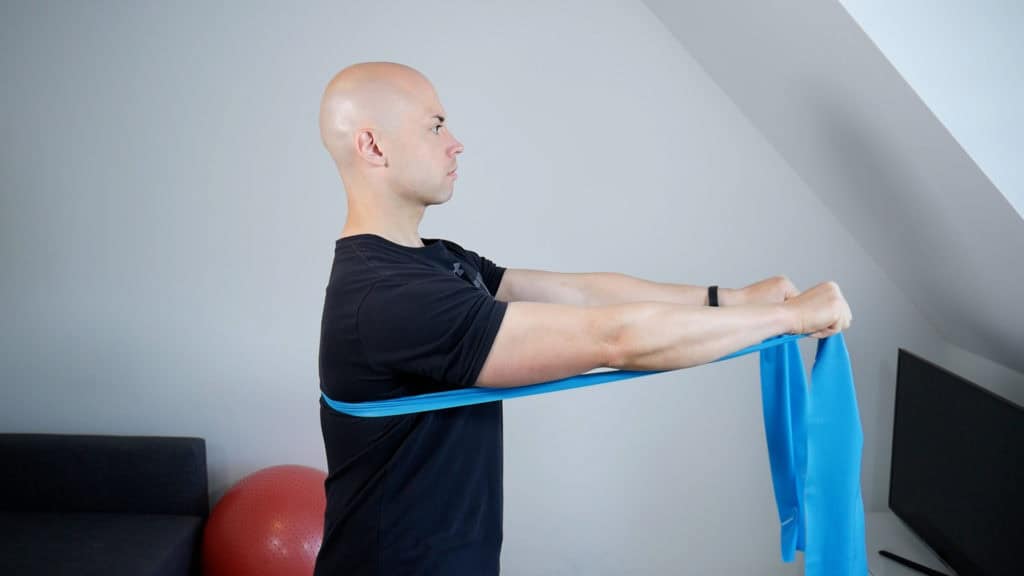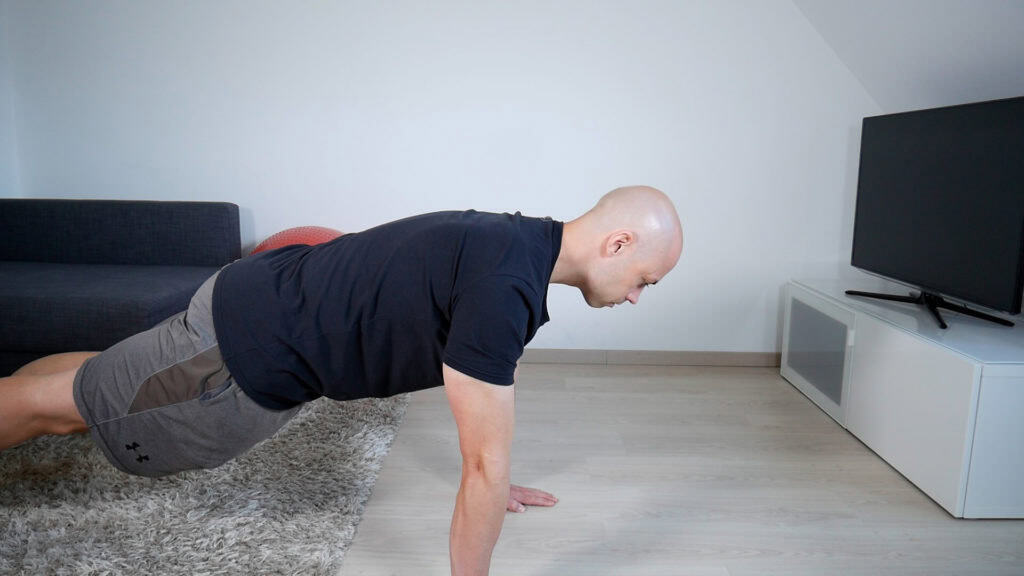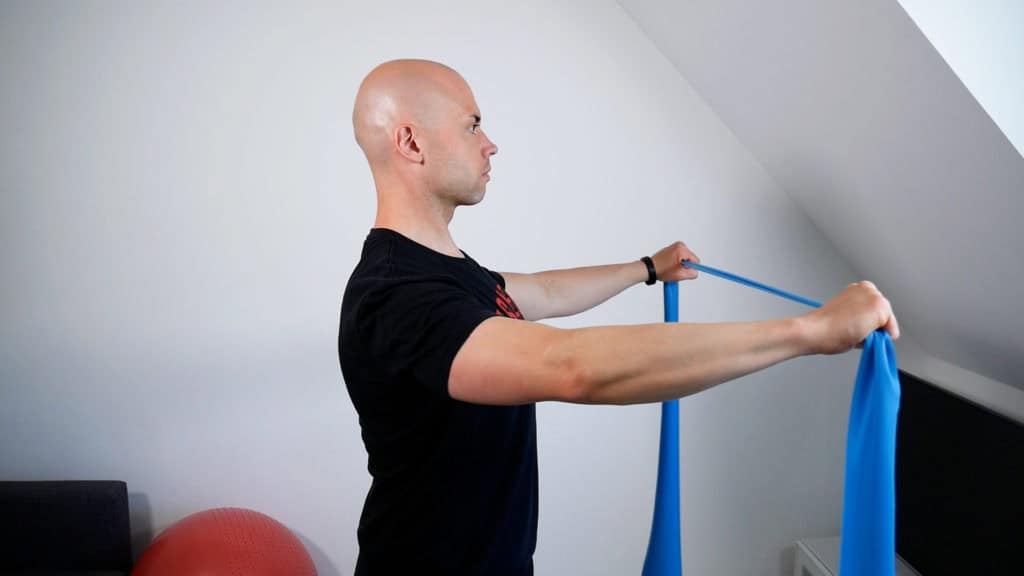
1. Shoulder-blade motion
How does the scapula move?
Start with the serratus anterior band exercise or the push-up plus to learn how a guide describes shoulder-blade movement and control.1
Shoulder exercise guides
Explore exercise guides for the shoulder and shoulder-blade region. Learn what each movement asks you to do, where different muscles contribute, and why exercise selection needs more than a single muscle label.

Quick orientation
The shoulder region includes muscles that move the upper arm and muscles that position or control the shoulder blade (scapula). The deltoid, rotator-cuff muscles, serratus anterior, and trapezius contribute to different parts of that movement system.1
For an exercise guide, the useful starting questions are: What moves? What remains controlled? What external resistance is involved? Those details are more informative than assuming every shoulder exercise trains the same structures in the same way.1
Three learning paths
These are ways to navigate the existing guide collection, not separate medical treatment pathways or prescriptions.
Start with the serratus anterior band exercise or the push-up plus to learn how a guide describes shoulder-blade movement and control.1
Explore how the arm and shoulder girdle move together in a resistance exercise. Do not assume an exercise alone corrects posture or symptoms.
Compare the starting position, movement path, range, and resistance before deciding whether a guide fits your training context.2
Useful distinctions
The two are connected, but the question you ask about an exercise changes what you should look for.
Muscles such as the deltoid and rotator cuff help move or control the humerus at the shoulder joint. Look at the direction of movement and the joint position, rather than one muscle name alone.1
Muscles such as the serratus anterior, trapezius, and rhomboids contribute to positioning the scapula. Exercises can place different demands on this part of the system.1
Current shoulder exercise guides
The cards below are loaded dynamically from the Shoulder Exercises category. The existing collection includes a serratus anterior resistance-band guide, the push-up plus, and the reverse fly; the displayed cards depend on the current category query.
Practical application
Use this learning sequence to interpret the guide—not as a validated clinical assessment or a universal exercise prescription.
Is the main visible action at the shoulder joint, the shoulder blade, or both? Name the movement before naming a target muscle.1
Look at hand position, body support, starting posture, and the equipment or resistance used.
Consider how the movement is performed and how resistance or difficulty could change. Training dosage and goals matter for adaptation.2
Ask whether the exercise fits the person’s goals, experience, comfort, available equipment, and wider training plan.
Use the right evidence
Explore connected topics
Exercise instructions are easier to interpret when you can connect movement, anatomy, programming, and the other exercise guides on this site.
Explore technique guidance beyond the shoulder category.
Use anatomy as context for shoulder and shoulder-blade movements.
Consider training goals, resistance, progression, and recovery together.
Read movement and training concepts with their evidence limits in view.
When trying a shoulder exercise, use the checklist to review setup, movement control, range of motion, and signs that call for reassessment. It supports reflection on technique; it does not diagnose a shoulder condition or prescribe rehabilitation.
Optional resource; the exercise explanations remain available without subscribing.
About the educator
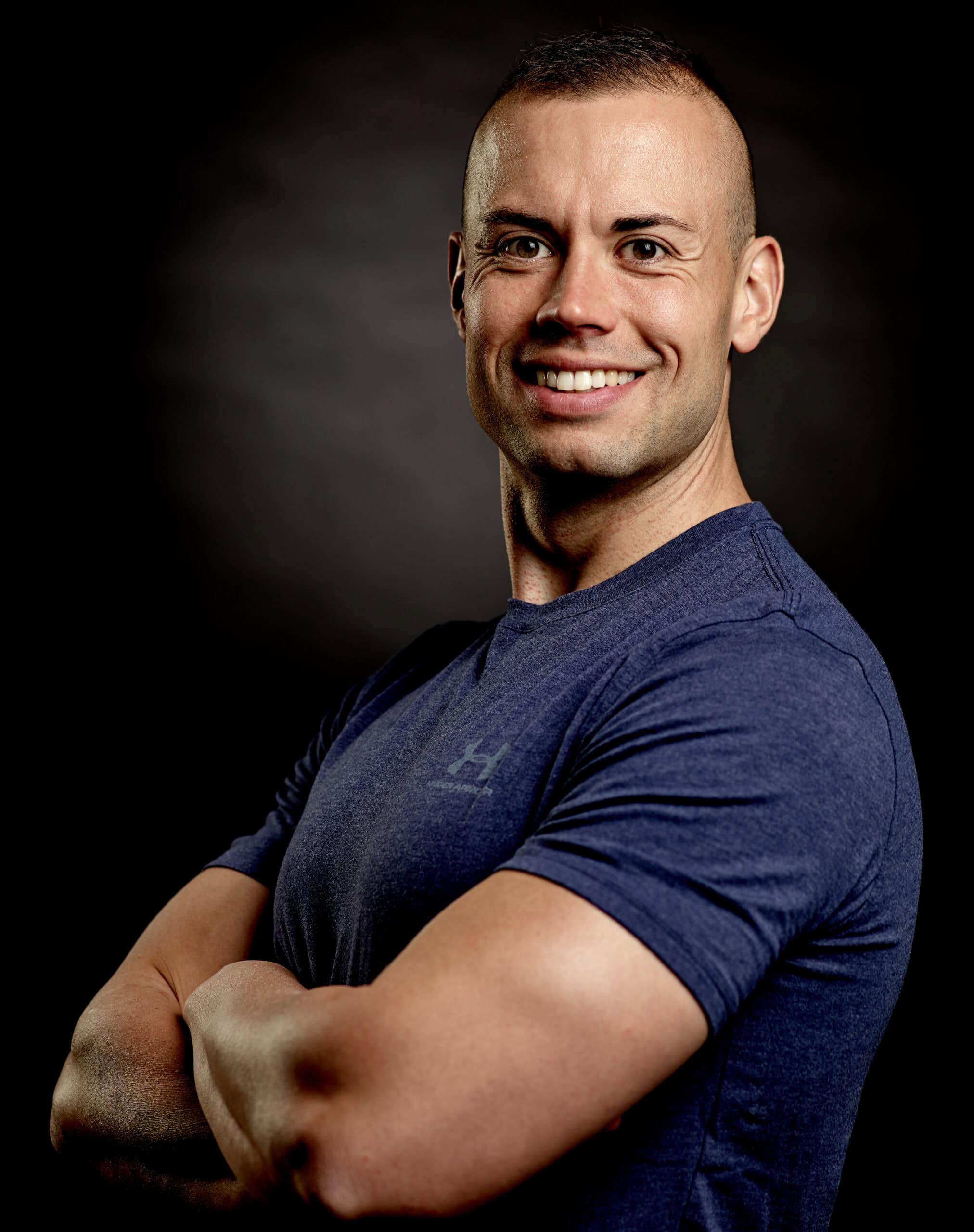
Olaf Henning, M.Sc. Clinical Exercise Science, M.A. Sports Science, B.Sc. Sport and Performance, explains exercise technique with attention to anatomical context, training evidence, and the limits of general guidance.
About OlafThis archive provides general education on shoulder exercises. It cannot assess pain, injury, loss of function, medical readiness, or whether a specific movement is appropriate for you. If pain is severe, follows an injury, is accompanied by significant weakness or other concerning symptoms, or is worsening, seek appropriate individual evaluation from a qualified healthcare professional.
Frequently asked questions
That depends on the task. The deltoid and rotator-cuff muscles help move or control the upper arm, while muscles such as the serratus anterior and trapezius position the shoulder blade. Many exercises involve coordinated contributions from more than one muscle.1
No. Both can be used to explore shoulder-blade movement, but their body position and resistance setup differ. Read the specific guides to understand each exercise rather than treating the names as interchangeable.
No. It can be discussed in both shoulder and upper-back contexts because movement at the shoulder joint and shoulder girdle can involve multiple muscle groups.1
There is no single choice that fits every goal or person. Decide what outcome you want, which movements you can perform, and how resistance and progression fit the overall plan. Resistance-training evidence supports considering training variables and individual context rather than a universal exercise ranking.2
No. A general exercise guide cannot identify the cause of symptoms or replace individualized clinical care. Whether or how an exercise fits rehabilitation depends on an appropriate personal assessment.
Evidence base