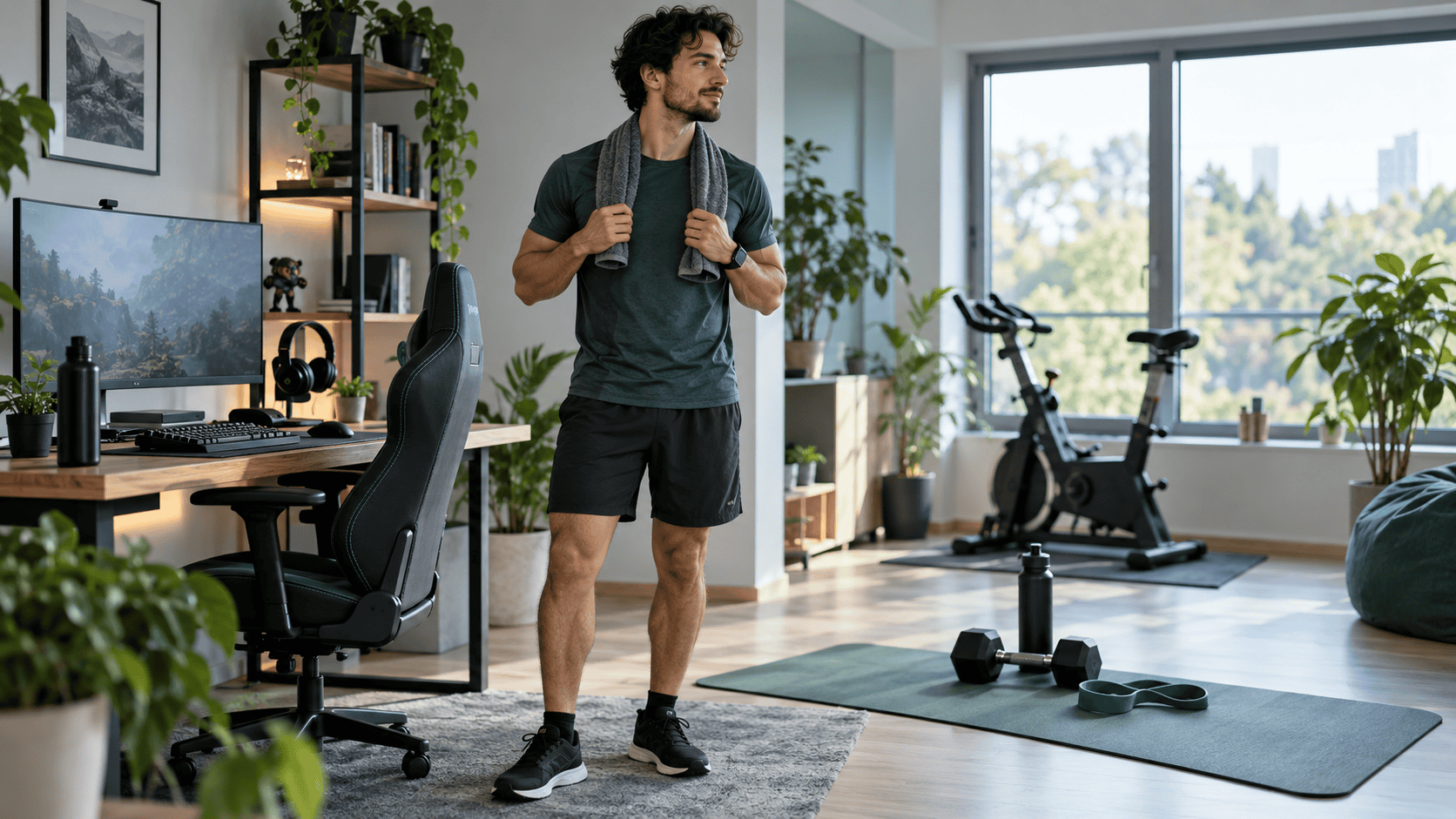
Sleep & recovery
Does evening gaming affect sleep?
Examine timing, game intensity, habits, and what adult sleep research can—and cannot—tell us about a particular gaming session.4
 Understand. Connect. Apply.
Useful without a complicated protocol
These are general prompts for making informed choices, not tested rules for preventing symptoms or improving competitive performance.
Set up your seat, screen, and input devices so they are usable without unnecessarily awkward reaches. Revisit the arrangement when a task or device changes. No one configuration fits everyone.2
Consider opportunities to change position and break up extended sitting. Physical activity is recommended for general health; a precise break schedule that prevents esports injuries has not been established.12
Choose strength and endurance activities you can sustain and develop over time. Improving general fitness and improving measured in-game performance are not interchangeable outcomes.13
If late gaming makes it hard to switch off, consider game arousal, timing and your sleep routine. Adult gaming-and-sleep research is mixed and depends on playing patterns.4
Avoid common shortcuts
A single posture is not established as a universal protective position. Most esports symptom studies cannot separate cause from correlation; individual comfort and changing demands matter.2
Laboratory cognitive or psychomotor results do not automatically transfer to full-game competitive performance. Gaming-specific results remain uncertain in current exercise-intervention research.3
“Gaming always ruins sleep” is also too broad: a systematic review in adults reported differences according to gaming patterns and arousal, with important limitations in the underlying evidence.4
Explore the foundations
These existing FSE topic hubs explain the broader concepts behind many gaming-health questions.
Build a foundation in adaptation, exercise training, and interpreting outcomes.
Explore technique guides and movement choices without claims of one perfect exercise.
Connect energy demand, training responses, and recovery to basic human physiology.
Find general training-plan concepts you can adapt outside the gaming session.
Our free Exercise Technique Checklist offers practical prompts for setup, range, and control. It is an educational tool—not a clinical assessment or a gaming-injury prevention program.
Optional support; no product purchase required.
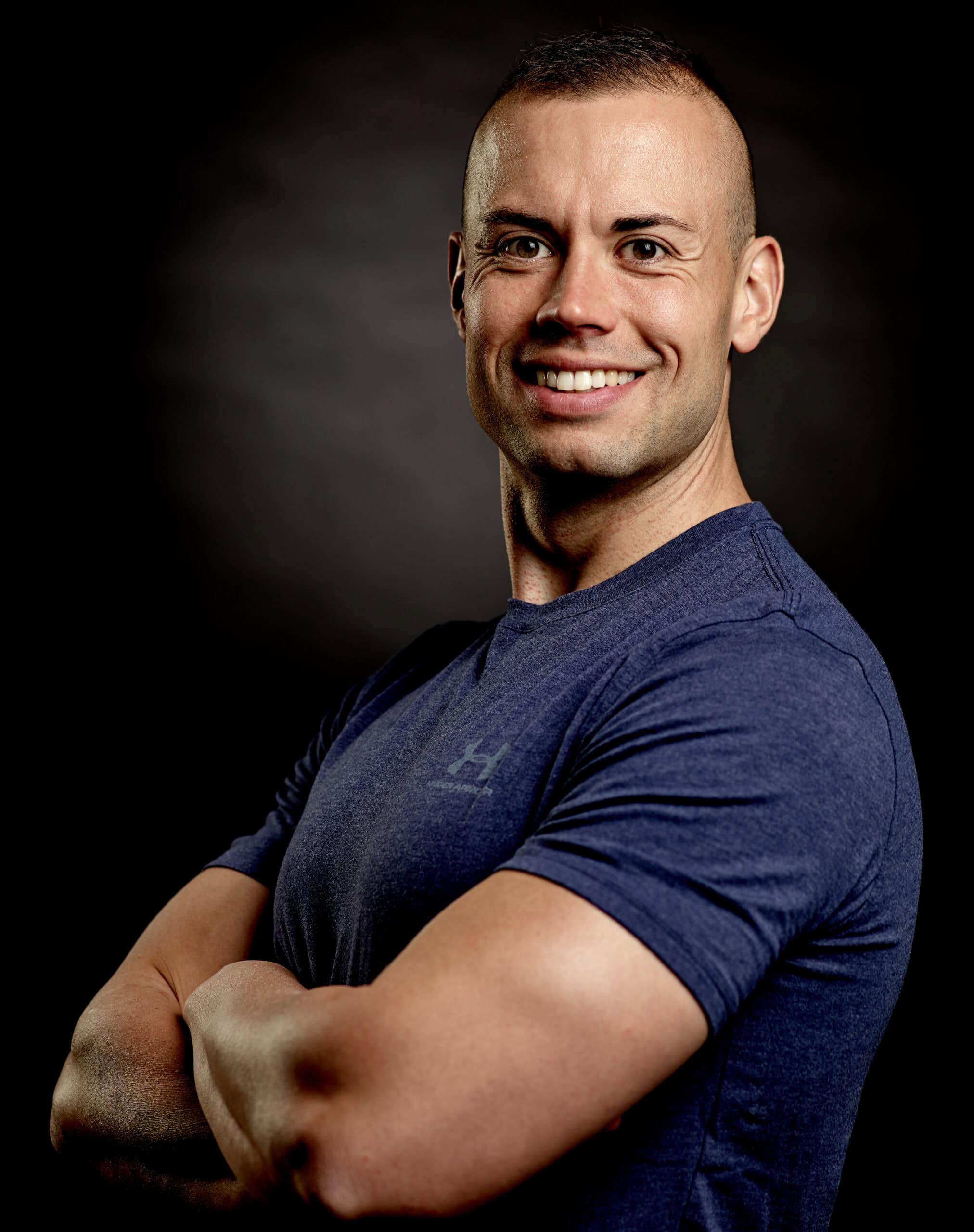
About the educator
Olaf Henning, M.Sc. Clinical Exercise Science, M.A. Sports Science, B.Sc. Sport and Performance, explains training, human movement and research findings for everyday decisions—including gaming-related questions.
About Olaf HenningThese guides provide general education. They do not diagnose pain, numbness, weakness, sleep disorders or other conditions, and cannot confirm that a setup or routine prevents injury. Persistent or worsening symptoms deserve individualized assessment by a qualified healthcare professional.
Frequently asked questions
There is no single posture shown to prevent symptoms for every gamer. Choose a usable setup, consider comfort and task demands, and avoid treating observational ergonomics data as proof of injury prevention.2
Exercise may help certain cognitive or psychomotor outcomes, but a 2026 review judged the evidence very uncertain, especially for real game-specific performance. A universal rank-boosting training plan is not established.3
No. An adult systematic review found results varied with gaming patterns and how arousing the game was. Individual sleep difficulties deserve attention rather than a universal claim about every game and player.4
Sources and limits