1. Understand
Which joints and muscles take part?
Locate the hip, knee, and ankle. Use anatomy to understand possible muscle actions, without assuming one muscle works alone.1
Practical application
Use these questions as an educational framework for interpreting an exercise guide. They are not a validated screening tool or an individual exercise prescription.
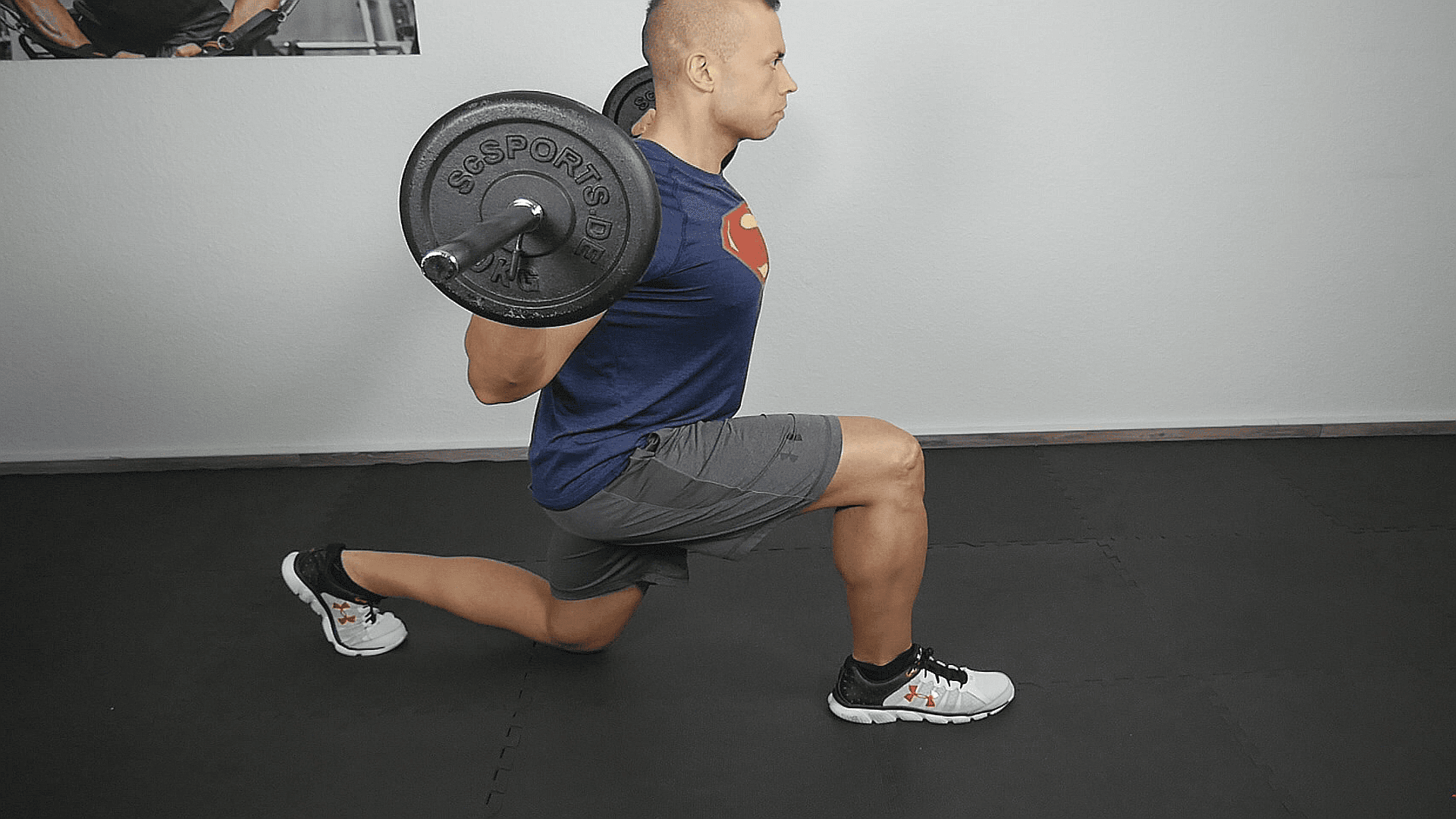
Are you stepping forward, holding a split stance, or performing a different lower-body movement? Name the actual task first.
Notice stance, balance support, foot contact, trunk position, and the range you intend to use.
Review any external load, movement control, and how the exercise fits the rest of the session.
Decide which aspects of the exercise are relevant to what you want to practice and to your wider training plan.
Use the right evidence
Those are biomechanical or EMG outcomes, not direct measures of future muscle growth or injury risk.23
These questions require different evidence and, when relevant, individual assessment.
Continue learning
These existing FSE hubs offer related perspectives without replacing the leg-exercise guides.
Use anatomical terms to make sense of muscle actions, joints, and movement descriptions.
Read the separate exercise collection centered on glute-region training.
Place exercises in the context of training variables, progression, and recovery.
Find exercise explanations across different regions and movement patterns.
The free checklist can help structure your observations of exercise setup, control, range, breathing, and when to stop and reassess. It is general technique education, not a diagnosis or an individualized program.
Optional: read the guides first; use the checklist only if it is useful for your practice.

About the educator
Olaf Henning, M.Sc. Clinical Exercise Science, M.A. Sports Science, B.Sc. Sport and Performance, explains exercise technique while distinguishing anatomy, movement studies, and evidence on training adaptations.
About OlafThis archive provides general education about lower-body movements. It cannot assess an individual’s knee, hip, ankle, or back symptoms; diagnose injury; or determine medical readiness for exercise. If you experience new or worsening pain, significant swelling, instability, or other concerning symptoms, seek appropriate evaluation rather than relying on a general exercise page.
Frequently asked questions
Muscles around the hip, knee, and ankle can all contribute. The quadriceps helps extend the knee, the gluteal and hamstring muscles have important hip and/or knee actions, and calf muscles contribute at the ankle. Their roles depend on the movement being performed.1
No. A study of 20 adults found differences in measured muscle activity across tested step-length and stride conditions, but surface EMG does not prove greater long-term growth, safety, or a universally optimal step length.3
It can change measured joint mechanics. In a laboratory study of 10 healthy adults, a forward-trunk lunge increased hip-extensor moment impulse and some muscle-activity measures compared with the reference condition. That study did not test long-term training outcomes.2
No single exercise is established as best for everyone. General resistance-training research shows that multiple methods can improve strength and muscle size in healthy adults; exercise selection should reflect the goal, experience, and practical context.4
No. The guides are educational and do not assess the cause of symptoms or provide individual rehabilitation advice. Pain or instability calls for appropriate personal assessment.
Evidence base