Movement
Different tasks for the trunk
A curl-up, a plank and a stability-ball pike do not ask the trunk and hips to do exactly the same job.
 Understand. Connect. Apply.
Turn concepts into questions
Decide whether the exercise mainly involves trunk movement or maintaining position.
Use support, range and resistance you can control.
Adjust repetitions, load or leverage as your capacity changes.
Include other major muscle groups and your overall training goals.
Avoid easy overclaims
A visible six-pack is not a direct test of core function or strength.
No single exercise is proven to prevent all back problems.
Explore the wider topic
Continue with this connected topic for additional context.
Continue with this connected topic for additional context.
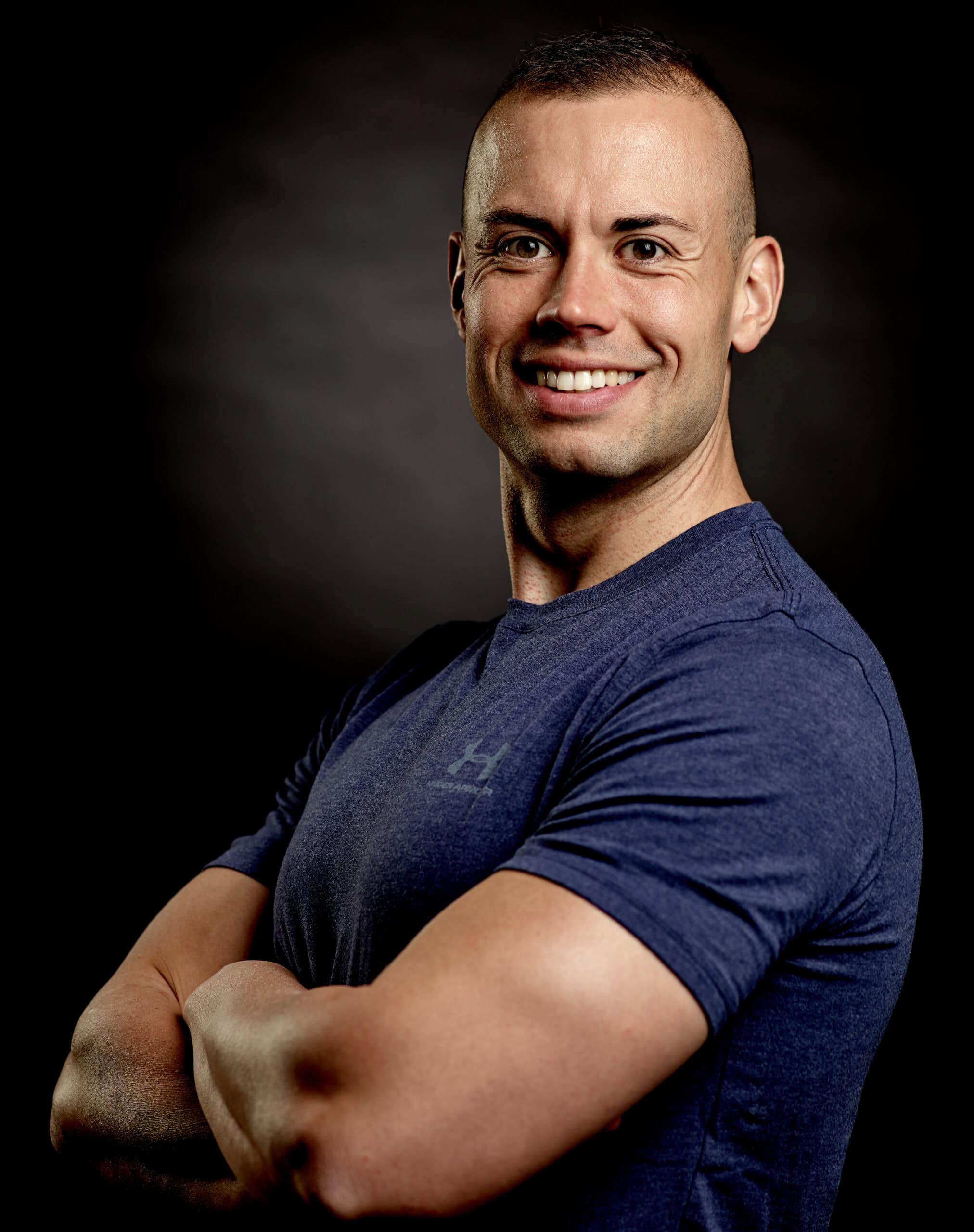
About the educator
Olaf Henning, M.Sc. Clinical Exercise Science, M.A. Sports Science, B.Sc. Sport and Performance. He explains research findings, training and health-related exercise topics while making important limits clear.
About Olaf HenningThis archive does not diagnose symptoms or prescribe treatment. Personal health conditions, persistent symptoms or medically restricted activities require individualized assessment by appropriately qualified professionals.
Questions readers ask
They involve different tasks. Choosing depends on the movement and progression you want.
No. Bodyweight options can be a useful starting point, although difficulty and progression matter.
It is a demanding supported movement, but its exact long-term benefit cannot be inferred from appearance alone.
Muscle development and visible definition are not the same outcome.
The right amount depends on the rest of the plan, experience, effort and recovery; there is no one-size-fits-all ab routine.
Sources and scope
