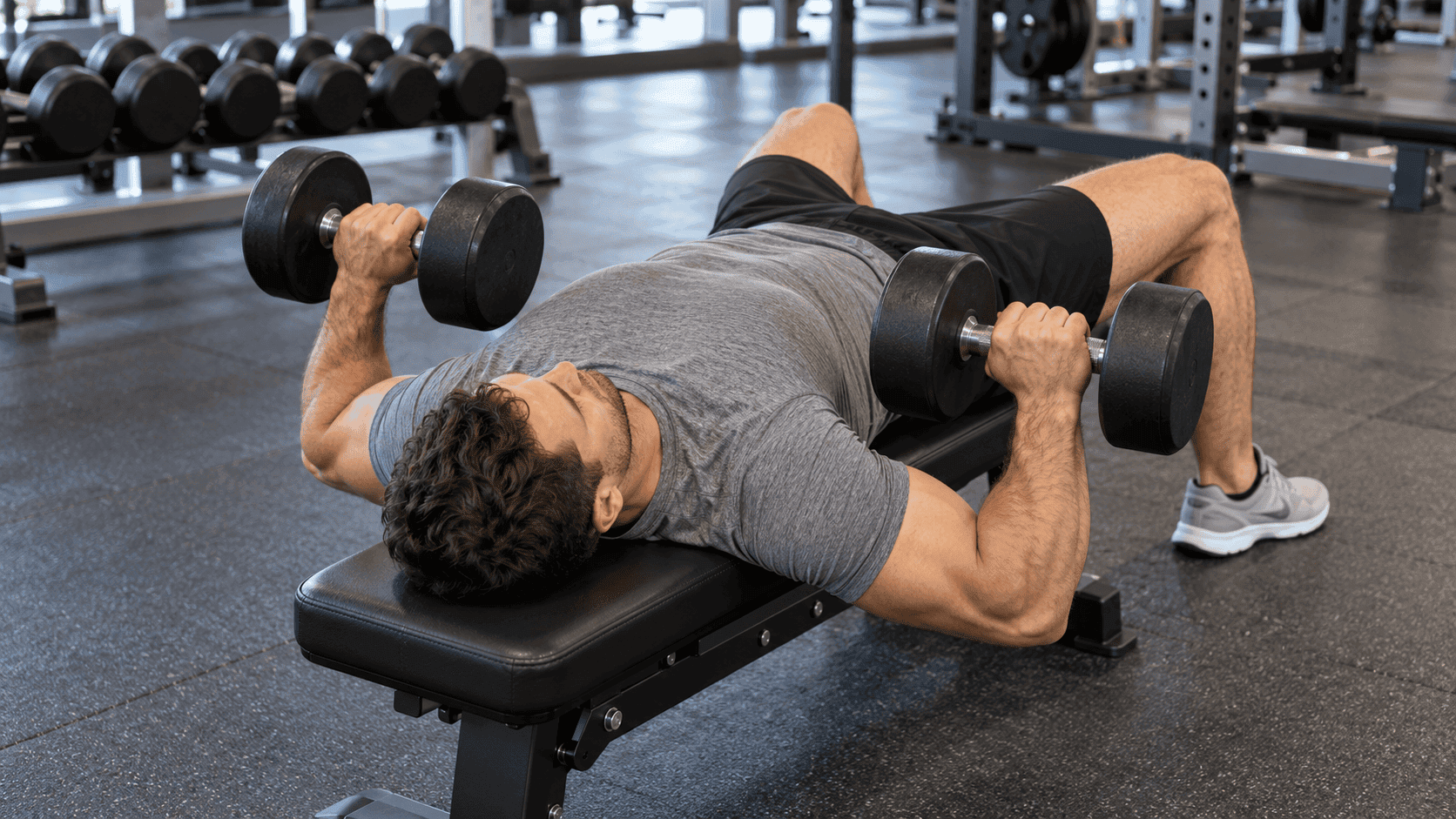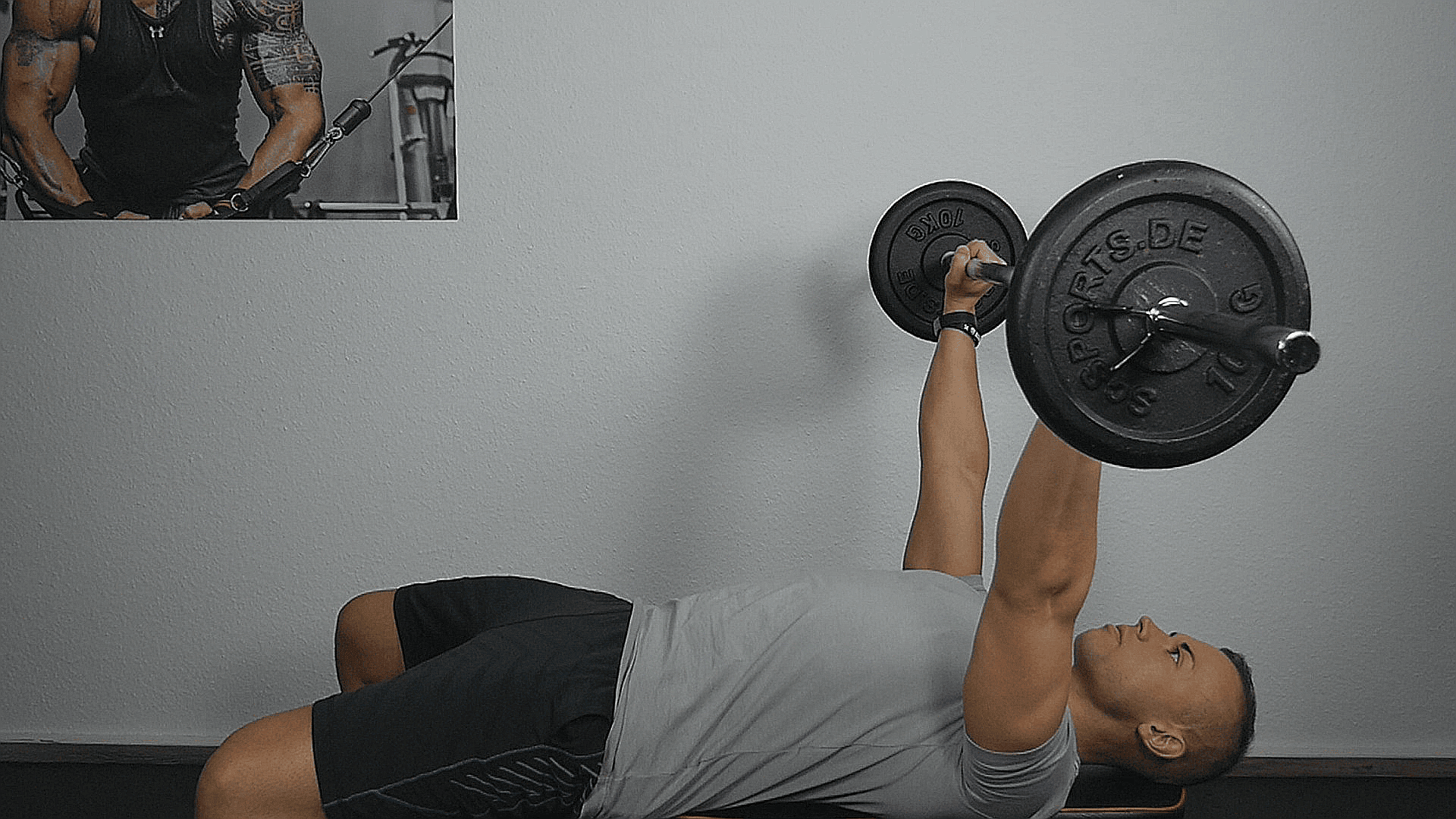
1. Understand the setup
What makes this pressing movement?
Identify hand position, body support, movement path, and the role of the selected equipment.
Chest exercise guides
Explore chest-exercise guides with a focus on movement, setup, and training context. Learn how to read an exercise before choosing a load or comparing variations.

Quick orientation
The pectoralis major spans the front of the chest and contributes to movement of the upper arm. The shoulder region also contains muscles that position the shoulder blade and control the upper arm.1
A chest exercise is therefore best understood through the specific task: how the arms move, how the body is supported, where resistance acts, and what the intended training goal is.
Three learning paths
Read the existing exercise instructions with attention to the movement, the underlying anatomy, and the training plan.
Identify hand position, body support, movement path, and the role of the selected equipment.
Connect movement of the upper arm and shoulder girdle to the muscles involved, without assuming that only one muscle is working.1
Consider resistance, exercise selection, practice, and progression within the wider program. There is no one mandatory setup for every healthy adult.2
Useful distinctions
An exercise guide can show a starting position, intended path, and key features of a repetition. Anatomy helps explain which structures can contribute.1
The wider program determines how often an exercise is used, how resistance and volume are adjusted, and how progress is assessed. Resistance-training adaptations depend on the outcome and training variables.2
Current chest exercise guides
The cards below are loaded dynamically from the Chest Exercises category. Explore the available exercise instructions, beginning with the guide that fits your current question.
Practical application
Use this as a reading framework for exercise instructions—not as a clinical assessment or a universal lifting prescription.
What moves at the shoulder and elbow? Is the exercise a press, a fly variation, or another task?
Check the support surface, hand position, equipment, and where the resistance comes from.
Choose a manageable starting resistance and assess your ability to repeat the intended movement. Progression should reflect the training goal and the person.2
Look at the weekly training context rather than treating one chest exercise as a complete solution.
Interpret evidence carefully
Keep exploring
Use the related hubs to move from one exercise to broader movement understanding and training decisions.
Browse technique information across movement patterns and muscle groups.
Connect the pectoral muscles, upper arm, and shoulder girdle to movement.
Explore other tasks involving the arm and shoulder blade.
Understand the roles of training goals, resistance, volume, and progression.
The free Exercise Technique Checklist offers a structured way to review setup, control, range of motion, and progression. It does not replace individual coaching or medical assessment.
Optional: the exercise guides remain available without subscribing.

About the educator
Olaf Henning, M.Sc. Clinical Exercise Science, M.A. Sports Science, B.Sc. Sport and Performance, explains exercise technique with attention to evidence, context, and the limits of general guidance.
About OlafThis archive provides general educational information about chest exercises. It does not assess injury, pain, individual medical readiness, or the appropriate load for a particular person. New or worsening chest pain, shortness of breath, dizziness, or other concerning symptoms require appropriate medical attention rather than continued exercise based on a website guide.
Frequently asked questions
The answer depends on the movement. The pectoralis major contributes to upper-arm movement, while other muscles help move the arm and position the shoulder girdle.1
No. A pressing movement involves more than one joint and muscle group. Use the specific exercise guide to understand the setup and task rather than interpreting it as an isolated single-muscle action.1
Not from the available evidence. Exercise selection depends on the goal, training experience, available equipment, and wider program. The ACSM resistance-training position stand supports flexible programming for healthy adults rather than one mandatory exercise arrangement.2
No. General training information cannot determine the cause of symptoms or replace a clinical evaluation.
Evidence base