1. Locate
Which joint action is involved?
Identify hip extension, abduction, or rotation and the structures that can contribute. Movement roles depend on the task.1
Practical application
This is an educational sequence for reading exercise guides, not a validated clinical screen or individual training prescription.
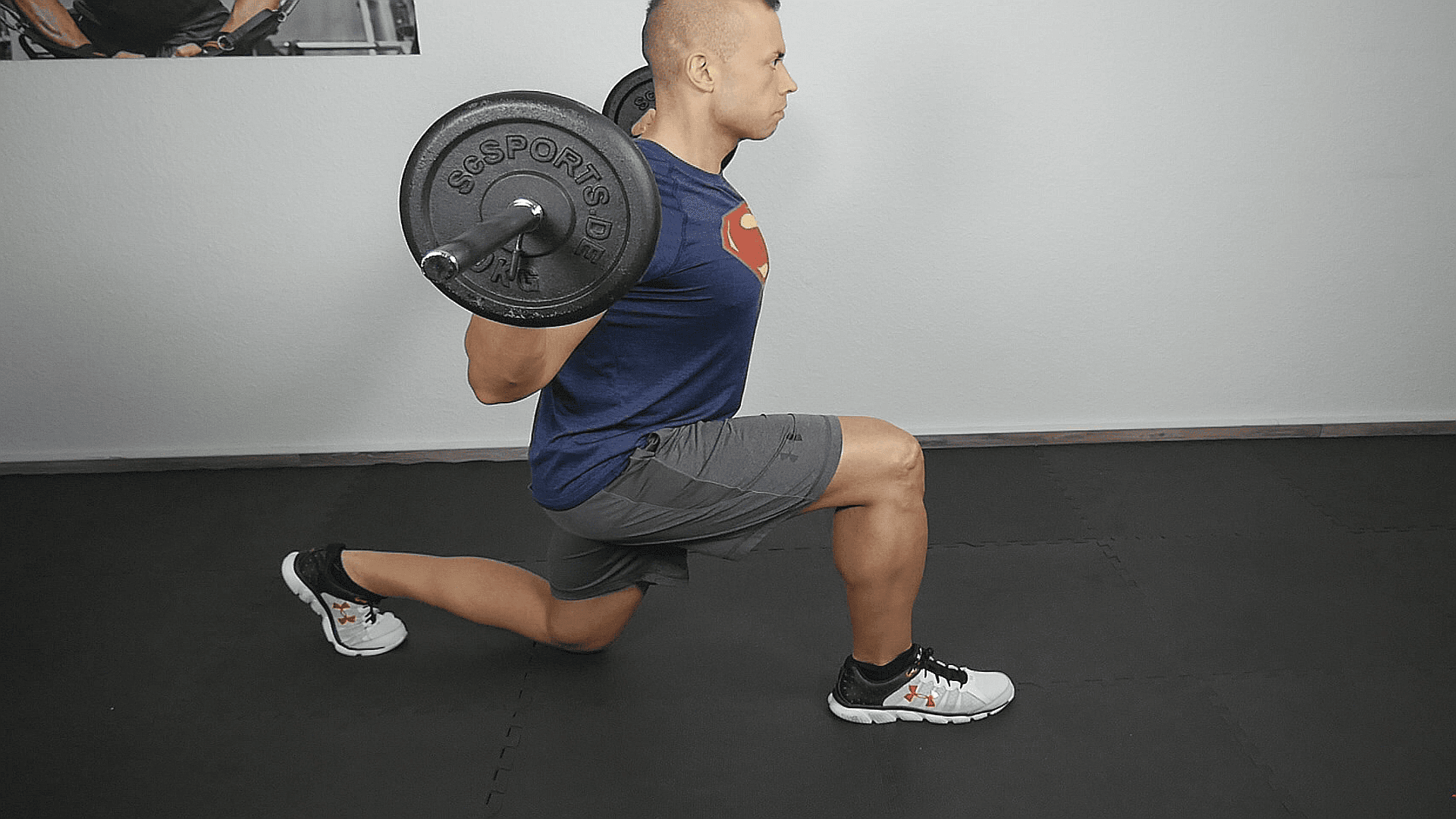
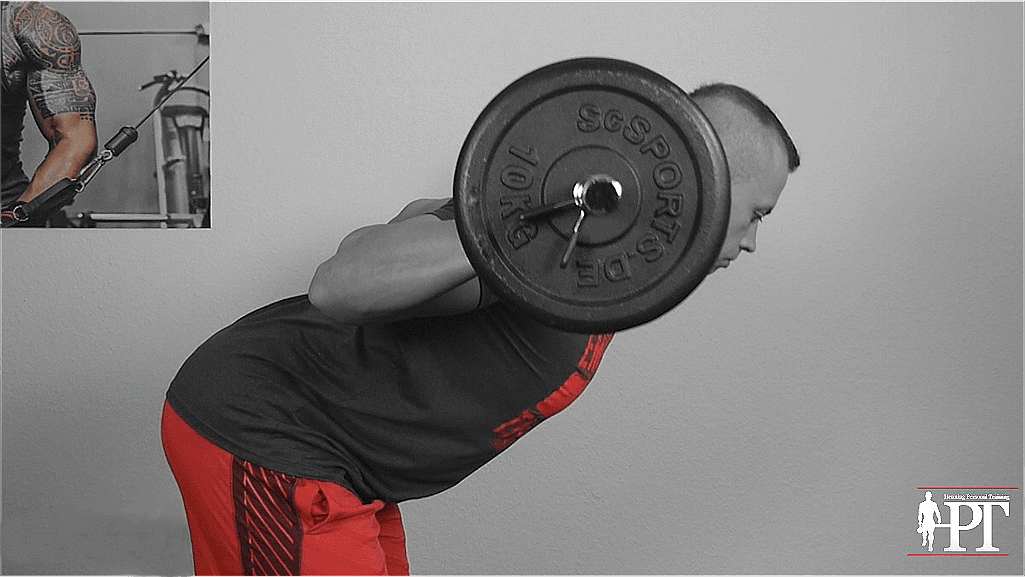
Is the exercise a hip hinge, a lunge, a squat, or a different movement pattern? Start with what is actually happening at the joints.
Note the load, support, movement range, equipment, and how the rest of the body participates.
Is your priority strength, muscle growth, movement practice, or a broader training plan? These are not interchangeable outcomes.3
Adjust only what is appropriate for your experience and circumstances. Consider tolerance, consistency, and the wider program rather than a single muscle-activity score.23
Interpreting evidence
Surface electromyography (EMG) measures electrical activity under particular test conditions. It can inform a movement comparison, but it does not directly measure the muscle growth produced by weeks of training.2
In a nine-week randomized study of untrained college-aged adults, hip thrusts and back squats produced similar measured gluteal hypertrophy. Higher initial gluteal EMG in hip thrusts did not consistently predict greater growth. This single study is not a universal exercise ranking.2
Continue learning
These FSE hubs provide complementary information. They do not replace the individual exercise guides.
Explore lunges and other leg exercise questions, including the roles of hip, knee, and ankle movement.
Compare the Good Morning with other exercises involving the trunk and hips.
Understand how hip muscles and related joints contribute to movements.
Consider training variables, progression, and the overall program.
The free checklist can help you organize observations of exercise setup, range, control, and when to stop and reassess. It does not assess symptoms, certify exercise safety, or prescribe a personalized program.
Optional: the educational content comes first.
About the educator
Olaf Henning, M.Sc. Clinical Exercise Science, M.A. Sports Science, B.Sc. Sport and Performance, connects exercise anatomy and technique with evidence on longer-term training outcomes.
About OlafThis archive provides general education. It cannot identify the cause of hip, knee, or back pain; assess injury risk; prescribe rehabilitation; or determine medical readiness. If you experience new or worsening symptoms, or have a condition that affects exercise safety, seek appropriate personal guidance from a qualified healthcare or exercise professional.
Frequently asked questions
The main gluteal muscles are the gluteus maximus, medius, and minimus. They have different contributions to hip movement and pelvic control.1
Lunges involve movement at the hip and knee, with gluteal muscles among the possible contributors. Their involvement depends on the exercise conditions; a lunge is not a glute-only movement.1
No. One nine-week randomized study of untrained college-aged adults found similar measured gluteal growth with hip thrust and back-squat training. Its population and duration limit generalization to every person and training plan.2
No. Surface EMG records electrical activity during a specific task. In a randomized hip-thrust-versus-squat study, the exercise with greater initial gluteal EMG did not consistently produce greater gluteal hypertrophy.2
Start with your goal, the movement you can perform, equipment and comfort, then consider a training plan you can progress consistently. Research in healthy adults supports several forms of resistance training rather than one mandatory method.3
Evidence base