Lifestyle · Health and recovery context

Lifestyle & Fitness: Recovery, Stress and Everyday Choices

Explore the wider context around exercise—including recovery practices, personal routines and the limits of lifestyle claims about health or performance.

Evidence-informedClear limitationsPractical learning

The short answer

Start with the right question

Lifestyle questions sit alongside training, not above the evidence. Some relaxation practices may be useful, but they should not be presented as a replacement for care or as a guaranteed performance intervention.

Research context

General guidance and research findings need to match the question, population and outcome. The linked articles may contain earlier material that requires its own review.

Where to start

Three ways to explore this topic

Use these reading routes to choose a question; the article grid below contains only posts actually assigned to this category.

Relaxation

Understand the method

Autogenic training is a relaxation approach, not a guaranteed treatment for a medical condition.

Performance myths

Avoid universal rules

Claims about sex before sport or other routines require sport- and outcome-specific evidence.

Routine

Make changes practical

Use achievable choices rather than promising an all-purpose life hack.

What evidence can show

Keep the claim and its support together

Relaxation as a practice

The NIH describes autogenic training as a method using attention and self-suggestion; effects for specific health conditions require separate evidence.1

Training and general health

WHO activity guidance provides a foundation, but cannot determine the ideal routine for every person.2

Articles in this category

Browse Lifestyle guides

The grid below is the current WordPress category query. Only published and assigned posts appear; older posts may require separate content updates.

Turn concepts into questions

A practical reading checklist

01 · Identify the outcome

Identify the outcome

Stress management, sleep and competitive performance are different targets.

02 · Look for appropriate evidence

Look for appropriate evidence

Give more weight to good studies of the exact question.

03 · Keep claims modest

Keep claims modest

Avoid promises based on anecdotes.

04 · Ask for support when needed

Ask for support when needed

Do not use a lifestyle article to replace medical care.

Avoid easy overclaims

Two cautions worth remembering

Keep the evidence in context

Personal anecdotes cannot establish a population-level performance effect.

Keep the evidence in context

Relaxation practices are not substitutes for diagnosis or treatment.

Explore the wider topic

Related hub

Physiology

Continue with this connected topic for additional context.
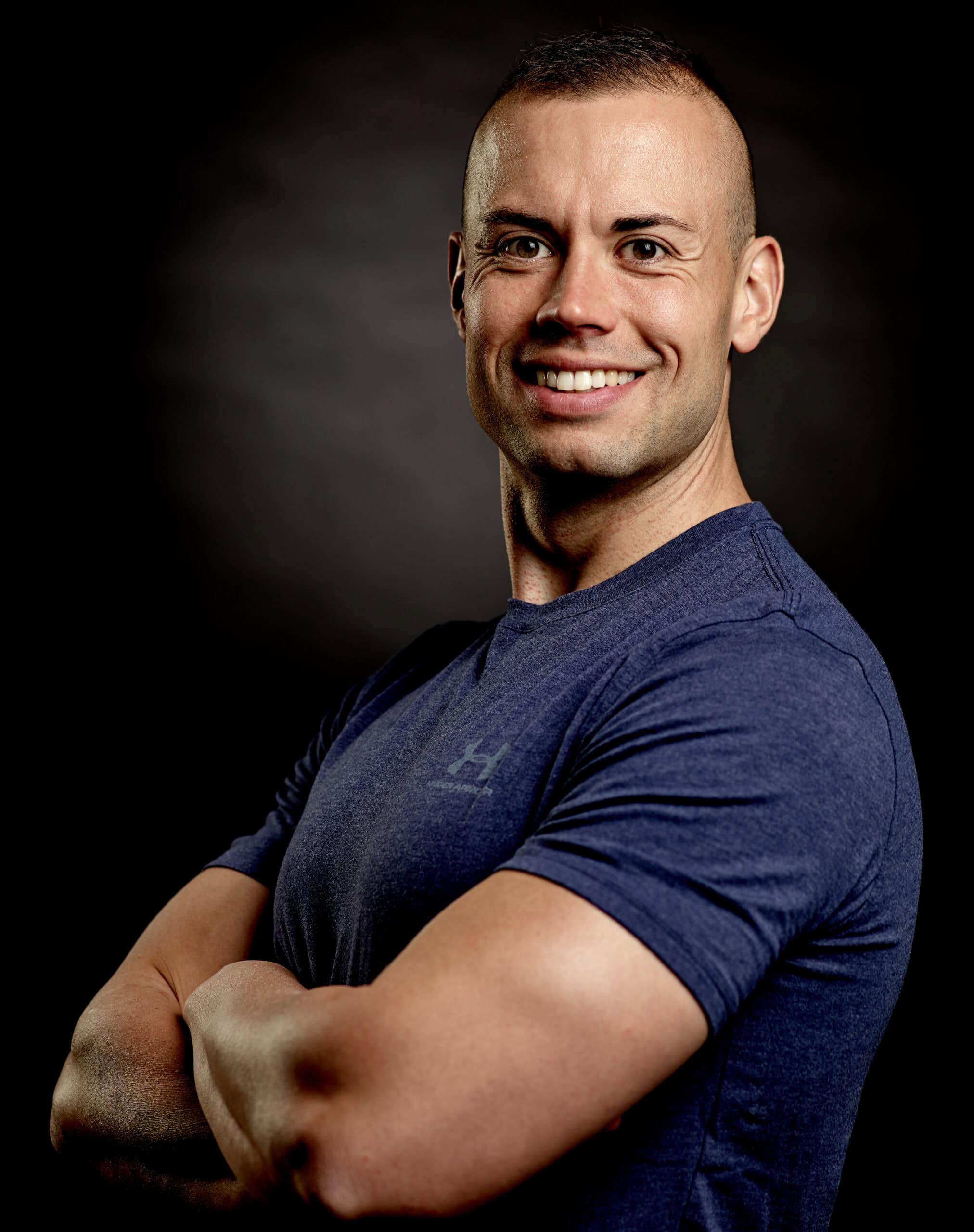
Olaf Henning

About the educator

Evidence-informed guidance by Olaf Henning

Olaf Henning, M.Sc. Clinical Exercise Science, M.A. Sports Science, B.Sc. Sport and Performance. He explains research findings, training and health-related exercise topics while making important limits clear.

About Olaf Henning

Education, not individualized medical advice

This archive does not diagnose symptoms or prescribe treatment. Personal health conditions, persistent symptoms or medically restricted activities require individualized assessment by appropriately qualified professionals.

Questions readers ask

Lifestyle FAQ

What is autogenic training?

A relaxation method using focused mental exercises and self-suggestion about bodily sensations.

Can relaxation improve all health conditions?

No such general conclusion is justified.

Does sex before sport always reduce performance?

A universal claim is not established; individual responses and study outcomes differ.

Is physical activity relevant outside sport?

Yes. General physical-activity recommendations address health beyond competition.

When should I seek medical advice?

Persistent or concerning symptoms deserve professional evaluation.

Sources and scope

References

  1. National Center for Complementary and Integrative Health. Relaxation Techniques: What You Need To Know. General description of autogenic training and evidence limitations. Original source.
  2. World Health Organization. WHO Guidelines on Physical Activity and Sedentary Behaviour. 2020. General population-level movement guidance; not a diagnosis or individual prescription. Original source.
Scroll to Top