Range of motion
Define your movement goal
A joint’s available movement depends on the task and the person; avoid assuming a universal ideal.
 Understand. Connect. Apply.
Turn concepts into questions
Specify what you want to do more comfortably or effectively.
Consider stretching, controlled range-of-motion exercise or other options.
Avoid forcing a movement merely to achieve a numerical target.
Observe the movement over time instead of relying solely on the immediate feeling.
Avoid easy overclaims
Foam rolling should not be described as proven to permanently reshape fascia.
A larger range of motion is not always equivalent to better sport performance or lower injury risk.
Explore the wider topic
Continue with this connected topic for additional context.
Continue with this connected topic for additional context.
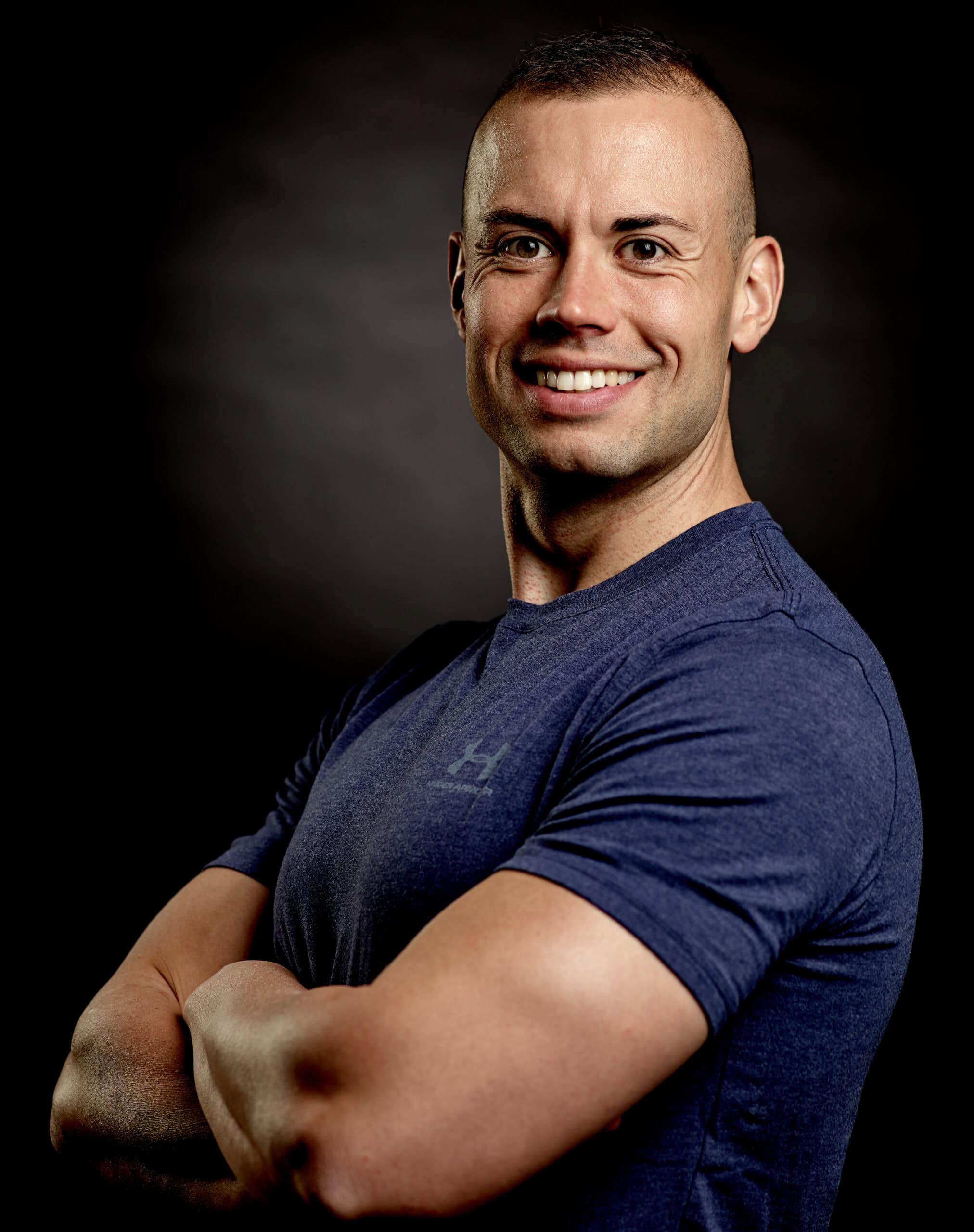
About the educator
Olaf Henning, M.Sc. Clinical Exercise Science, M.A. Sports Science, B.Sc. Sport and Performance. He explains research findings, training and health-related exercise topics while making important limits clear.
About Olaf HenningThis archive does not diagnose symptoms or prescribe treatment. Personal health conditions, persistent symptoms or medically restricted activities require individualized assessment by appropriately qualified professionals.
Questions readers ask
They overlap, but mobility usually refers to movement in a task as well as available range.
Yes, resistance exercise can use an appropriate range, and the 2026 ACSM synthesis discusses range of motion as a training variable.
This archive does not make that claim; a symptom or range change does not establish tissue remodeling.
No. Pain should not be treated as an indicator that a technique is effective.
Not from the available general evidence; define the goal and individual context first.
Sources and scope